Laminectomy surgery, frequently performed to relieve severe pain associated with conditions such as lumbar stenosis or herniated discs, is a crucial step for many patients suffering from spinal problems. However, even after a successful operation, a major challenge remains: the prevention of post-laminectomy syndrome, a complication that can compromise the patient's quality of life. Philippe Mazaltarim, renowned expert in neuromodulation and Director of Neurothérapie Montréal, sheds new light on this subject, highlighting combined strategies of traditional care and innovative approaches such as repetitive transcranial magnetic stimulation (rTMS) to optimize recovery.
Through consultations with his Quebec patients undergoing surgery in France, Philippe Mazaltarim coordinates an integrated care pathway combining medical expertise, personalized follow-up and advanced neuromodulation solutions. This helps prevent not only the onset of persistent chronic pain, but also post-operative depression and anxiety. In this article, you'll discover how to prepare effectively for the prevention of post-laminectomy syndrome, what exercises to adopt, and how Neurothérapie Montréal provides state-of-the-art support for every stage of your recovery.
Understanding laminectomy surgery and the causes of post-laminectomy syndrome
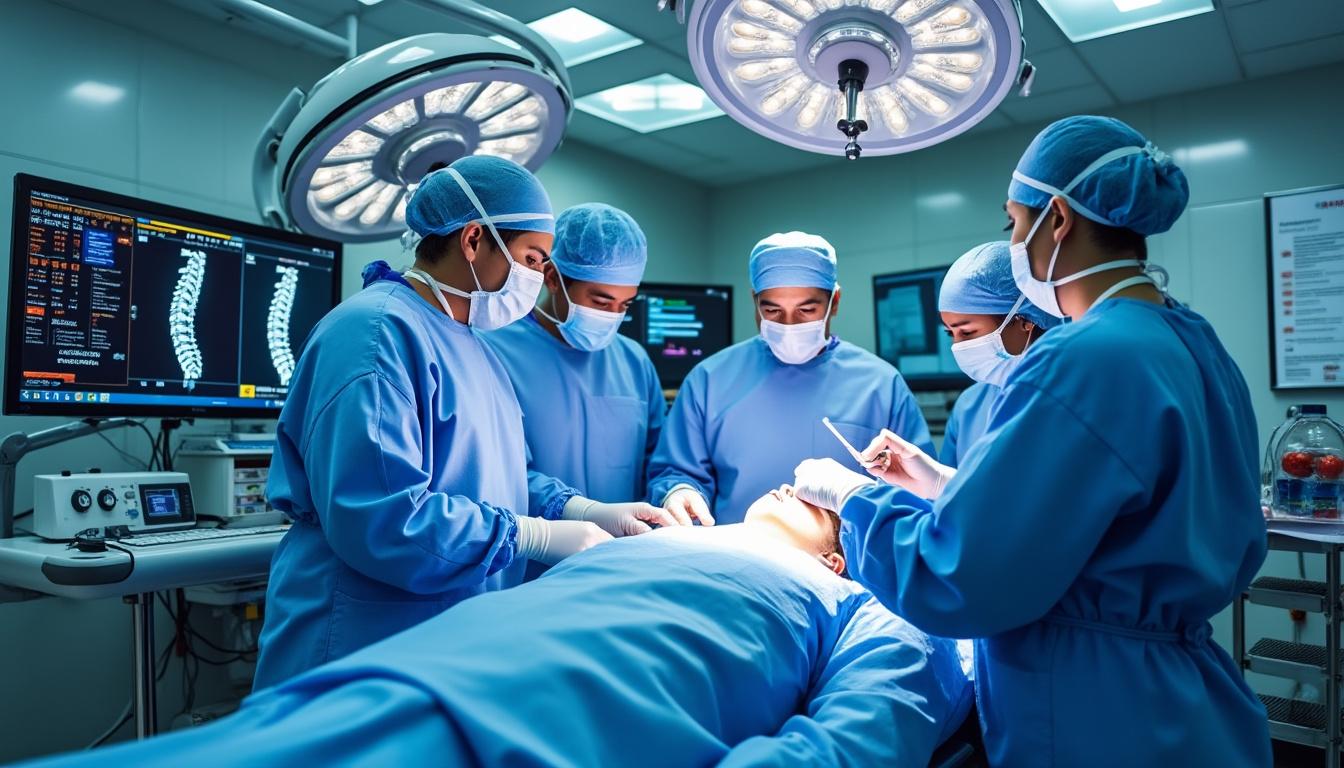
Laminectomy is a surgical procedure designed to remove part of the vertebral lamina in order to reduce pressure on the spinal cord or nerve roots. It is commonly performed on patients suffering from spinal stenosis, herniated discs or spinal tumors. Its main aim is to relieve pain, restore mobility and avoid serious neurological complications.
Despite successful surgery, some patients develop what is known as post-laminectomy syndrome, a set of symptoms including chronic back pain, reduced mobility, or abnormal sensations in the lower limbs. This subsequent pathology is often linked to inadequate healing, nerve adhesions or prolonged inflammation in the operated area.
To understand this phenomenon, it is essential to follow a rigorous post-operative care plan. The nurse plays a fundamental role in assessing the patient's needs and implementing care adapted to each phase of recovery. Clinical experience shows that this structured framework helps to anticipate complications and personalize convalescence to maximize natural healing.
Priority objectives of laminectomy and importance of targeted rehabilitation
The aims of laminectomy are twofold: on the one hand, to restore satisfactory motor autonomy, notably by correcting gait disorders that may result from nerve compression. Secondly, to restore normal sensitivity by relieving neuropathic pain or persistent numbness in the legs.
Functional rehabilitation is therefore an essential step in this process. This program, which lasts from 4 to 12 weeks on average, focuses on muscle strengthening and flexibility exercises specific to the lumbar region. The temporary use of a lumbar belt can provide passive support, but prolonged wear is not recommended to avoid muscle atrophy.
This graduated approach promotes a return to daily activities, while minimizing the risk of recurrence or post-surgical inflammation. Philippe Mazaltarim recommends close follow-up with experienced spine professionals, who can adapt the intensity and nature of the exercises according to the sensations reported by the patient.
Objective
Recommended activity
Average duration
Precautions
Lumbar muscle strengthening
Back and abdominal exercises
4 to 12 weeks
Simultaneous contraction of abdominal and perineal muscles
Softening the spine
Specific stretching
Continuous, beyond the initial phase
Stop in case of abnormal pain
Passive support
Temporary use of lumbar belt
Initially, a few weeks
Avoid prolonged use
Progression to normal activities
Moderate daily walking
From the first month, then gradual intensification
Listening carefully to feelings
To better understand this crucial phase, visit this resource dedicated to the care planning after laminectomy which details the roles of the various players and the best practices to adopt.
Key stages in the recovery process, depending on the type of spinal surgery performed
Post-laminectomy recovery depends on the type of operation performed. Spinal surgery falls into three main categories:
Simple laminectomy : isolated intervention aimed solely at nerve decompression.
Laminectomy with motion preservation : surgery to maintain spinal mobility, often using dynamic devices.
Laminectomy with spinal fusion : combined operation with arthrodesis to stabilize the spine.
Each of these operations requires a specific timetable for the resumption of activities, with more or less restrictive protocols.
Typical recovery schedule by type of intervention
Intervention
Walk
Work (sedentary)
Low-impact sport
Resuming intensive sports
Simple laminectomy
From week 1
3 to 6 weeks
2 to 3 months
6 months
Motion preservation
From week 2
4 to 8 weeks
3 to 4 months
7 to 9 months
Spinal fusion
Progressive from week 3
6 to 12 weeks
6 months and over
9 to 12 months
It is imperative that patients benefit from rigorous clinical follow-up, tailored to the specifics of their operation. This is where Neurothérapie Montréal comes in, under the direction of Philippe Mazaltarim, who coordinates rehabilitation, neuropathic pain management and morale-boosting through innovative neuromodulation techniques such as rTMS.
For more information on these courses, consult the resources offered by SOS Medical Tourism, which accompanies patients through the entire transatlantic care process.
Rehabilitation techniques and the role of rTMS in the prevention of post-laminectomy syndrome
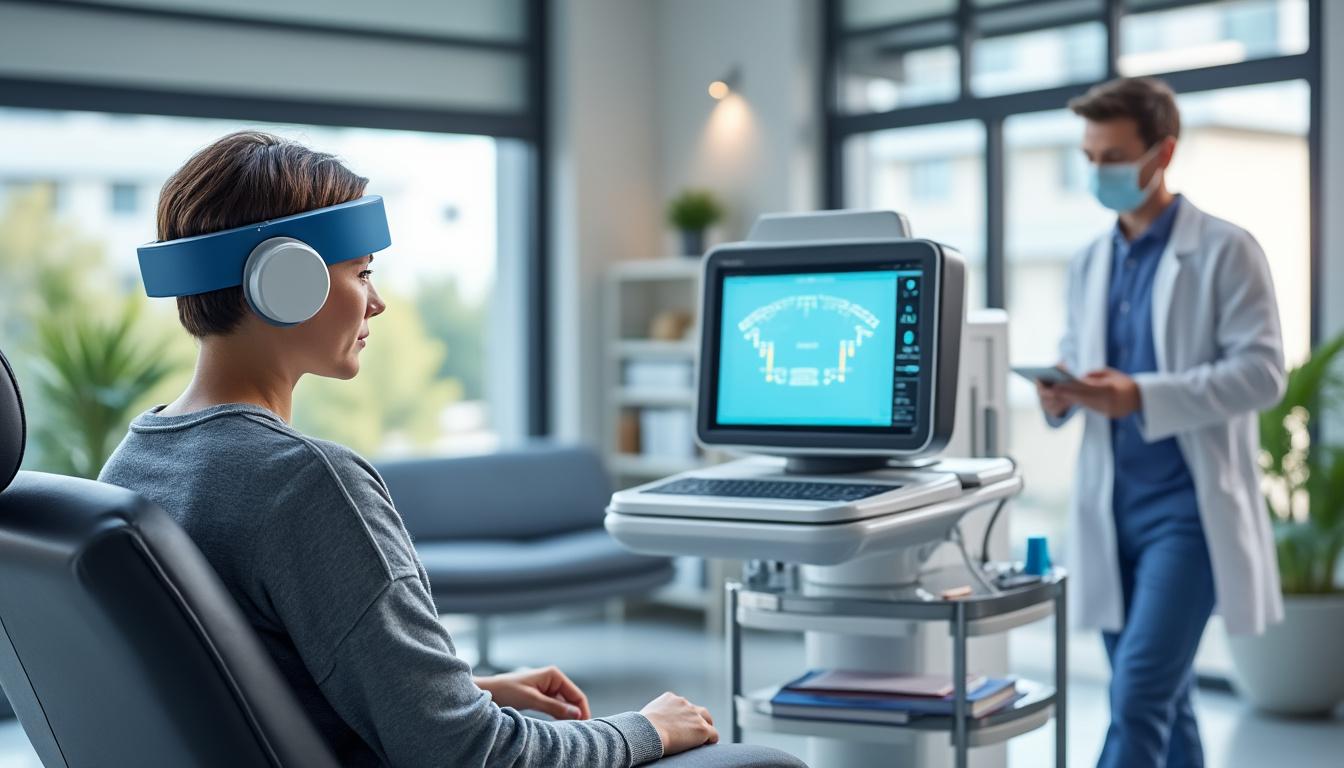
In addition to conventional physical exercise, post-laminectomy rehabilitation now incorporates innovative methods such as non-invasive neuromodulation. Philippe Mazaltarim, an expert in repetitive transcranial magnetic stimulation (rTMS), highlights the importance of this approach for :
Managing and alleviating persistent chronic neuropathic pain.
Treat cases of post-laminectomy syndrome when pain does not respond to conventional treatments.
Support patients' psychological state by reducing depressive or anxiety symptoms that may arise after surgery.
rTMS stimulates certain cortical areas involved in the modulation of pain and mood, promoting faster, longer-lasting recovery. This technique, combined with traditional muscle re-education programs, improves the patient's overall quality of life, while reducing the risk of side-effects associated with chronic medication.
Complementary devices such as BrainPort and PoNS are also used to enhance brain plasticity and functional recovery, particularly in patients with associated post-stroke or post-concussion neurological disorders.
Technical
Benefits
Therapeutic goals
rTMS (repetitive transcranial magnetic stimulation)
Reduced neuropathic pain, improved mood
Management of chronic post-op pain, psychological support
BrainPort
Sensory enhancement, neural stimulation
Treatment of post-stroke neurological deficits
PoNS (Portable Neuromodulation Stimulator)
Multisensory stimulation for motor recovery
Improved neuroplasticity after head trauma
These solutions are integrated into a complete therapeutic pathway coordinated by Neurotherapy Montreal, where Philippe Mazaltarim and his team offer personalized support and ongoing neurofunctional assessment.
Practical tips to prepare for recovery and avoid common mistakes
Adequate preparation before and after laminectomy is essential to ensure a favorable healing trajectory. Philippe Mazaltarim emphasizes several key recommendations that patients should follow to avoid post-laminectomy syndrome:
Strict compliance with postoperative instructions transmitted by the surgical team and healthcare professionals.
Maintain appropriate physical activity, especially daily walking, to stimulate blood circulation without overloading the spine.
Avoid prolonged, unsupervised use of restraint devices such as lumbar belts.
Make a serious commitment to rehabilitation programs, respecting the limits of pain.
Watch for the appearance of disorders such as unexplained pain, muscle weakness or emotional symptoms, and report them promptly to your medical team.
Don't underestimate psychological support: convalescence is a time when stress, anxiety and depression can arise. Techniques such as rTMS can help prevent these complications and promote a smooth recovery.
Frequent errors
Consequences
Recommended solution
Prolonged immobilization
Muscular atrophy, joint stiffness
Progressive program of gentle mobilization
Ignoring neuropathic pain
Chronic pain
Quick consultation, managed by rTMS
Failure to respect physical limits
Risk of relapse or complication
Close follow-up with physiotherapist and neurotherapist
Lack of psychological support
Post-operative depression and anxiety
rTMS treatment and personalized support
To find out more about experience feedback and best practices, you can read the testimonials of patients who have benefited from the innovative monitoring of Neurotherapy Montreal.
Personalized coordination and support for international surgical procedures
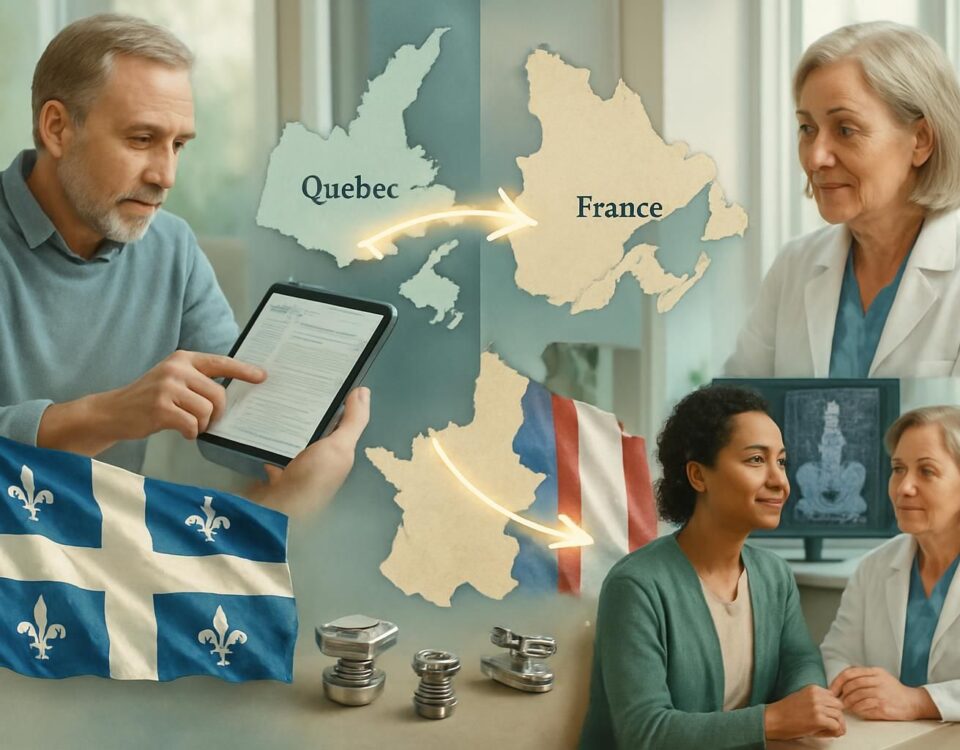
In addition to purely medical care, Philippe Mazaltarim plays a strategic role in organizing the patient pathway between Canada and France, ensuring smooth, safe treatment.
In-depth preparation of the medical file in collaboration with the French surgeons.
A comprehensive pre-operative neurofunctional assessment to anticipate specific needs.
Personalized support for the surgical stay in France, in conjunction with the company Cross, specialized in logistics organization and referral to the best centers.
Rigorous clinical follow-up after return to Quebec, with real-time therapeutic adjustments.
This international collaboration also includes SOS Medical Tourism, which supports patients throughout the entire process, from initial information to administrative management and understanding of treatment options. Together, these partners form a network of excellence, guaranteeing a safe, tailor-made treatment path.
Actor of the course
Main role
Link
Neurotherapy Montreal
Post-operative follow-up, rTMS and advanced neuromodulation
The importance of comprehensive, multidisciplinary support cannot be overstated, to ensure patient peace of mind and optimize clinical outcomes.
{« @context »: »https://schema.org»,»@type »: »FAQPage», »mainEntity»:[{« @type »: »Question», »name»: »What2019is post-laminectomy syndrome?», »acceptedAnswer»:{« @type »: »Answer», »text»: »Post-laminectomy syndrome du00e9signs the persistence or ru00e9appearance of lumbar and neurological pain after du00e9compression surgery of the spine. It is often due00fb u00e0 to adhesions or post-opu00e9operative inflammation.»}},{« @type »: »Question», »name»: »How long does ru00e9u00e9ducation last after a lumbar laminectomy?», »acceptedAnswer»:{« @type »: »Answer», »text»: »Gu00e9nu00e9ralement, la ru00e9u00e9ducation dure entre 4 u00e0 12 semaines, avec une progression contru00f4lu00e9e vers la reprise complu00e8te des activitu00e9s. It includes specific strengthening exercises and stretching.»}},{«» @type »: »Question», »name»: »Is rTMS effective for post-opu00e9ratory pain management?», »acceptedAnswer«:{» @type »: »Answer», »text»: »Yes, ru00e9pu00e9titive transcru00e2nian magnu00e9tic stimulation is known to ru00e9reduce persistent neuropathic pain and improve lu2019humor in patients after spine surgery.«}},{» @type »: »Question», »name»: »What sports can I play after a laminectomy?», »acceptedAnswer«:{» @type »: »Answer», »text»: »Modu00e9ru00e9e walking is recommended from00e8s the first month. Other low-impact sports such as yoga, swimming or vu00e9lo from the apartment can be resumed gu00e9nu00e9rally from the second month onwards, but more intensive sports nu00e9require a longer period of time and medical approval.«}},{» @type »: »Question», »name»: »How do I plan my post-opu00e9ratory follow-up after a back surgery in France?», »acceptedAnswer«:{» @type »: »Answer», »text»: »Neurothu00e9rapie Montru00e9al provides comprehensive follow-up coordination, with personalized support and innovative neuromodulation solutions. To organize your journey, you can also call on u00e0 Franchir and SOS Tourisme Mu00e9dical."}}]}
What is post-laminectomy syndrome?
Post-laminectomy syndrome refers to the persistence or recurrence of lumbar and neurological pain after spinal decompression surgery. It is often due to post-operative adhesions or inflammation.
How long does rehabilitation last after a lumbar laminectomy?
Rehabilitation generally lasts between 4 and 12 weeks, with a controlled progression towards full return to activity. It includes specific strengthening and stretching exercises.
Is rTMS effective in managing post-operative pain?
Yes, repetitive transcranial magnetic stimulation is known to reduce persistent neuropathic pain and improve mood in patients after spinal surgery.
What sports can I do after a laminectomy?
Moderate walking is recommended from the first month. Other non-impact sports such as yoga, swimming and exercise cycling can generally be resumed from the second month onwards, but more intensive sports require a longer timeframe and medical approval.
How do I plan my post-operative care after back surgery in France?
Neurothérapie Montréal coordinates the entire follow-up process, with personalized support and innovative neuromodulation solutions. To organize your journey, you can also call on Franchir and SOS Tourisme Médical.
Director and founder of Neurothérapie Montréal, Philippe Mazaltarim is a clinician specialized in repetitive transcranial magnetic stimulation (rTMS) and an expert in neuromodulation. He is responsible for the pre- and post-operative management of Canadian spine surgery patients, offering personalized support throughout the process, in close collaboration with SOS Tourisme Médical and Franchir. A pioneer in the integration of innovative approaches (rTMS, Brainport, PoNS), it is committed to improving the quality of life of patients suffering from neurological or psychiatric disorders, while actively collaborating in clinical research and the optimization of transatlantic care.







Le rôle de récupération fonctionnelle par paliers dans un parcours réussi
Learn more