Summary of: Spinal Surgery and Innovation in Cousin Spine Implants
La chirurgie du rachis évolue grâce à des technologies avancées comme celles de Cousin Spine, qui préservent la mobilité vertébrale tout en offrant des solutions efficaces pour les pathologies complexes. Avec un parcours patient optimisé par Franchir, les patients canadiens bénéficient d'une prise en charge personnalisée et d'implants innovants, garantissant sécurité et qualité de vie.
Top 5 Tips to Remember
Cousin Spine implants preserve spinal mobility.
Franchir coordinates the patient journey to ensure a successful surgery in France.
Les dispositifs comme TOPS et Intraspine réduisent la douleur post-opératoire.
Collaboration avec des hôpitaux réputés pour des soins de qualité.
Suivi post-opératoire assuré par Neurothérapie Montréal au Canada.
Spinal surgery is currently undergoing an unprecedented revolution thanks to the advent of cutting-edge medical technologies such as those developed by Cousin Spine, a global leader in the field of dynamic implants. At the heart of this innovation lies the commitment to preserving spinal mobility while providing effective solutions for complex back and neck conditions. This technical advancement is accompanied by transatlantic care specifically designed for Canadian patients, coordinated by French experts through the company Franchir. This combination of technology and organizational expertise ensures a seamless, safe, and personalized patient journey, seamlessly blending clinical excellence with advanced engineering. This partnership offers patients a unique opportunity to access the latest validated devices, coupled with rigorous post-operative follow-up coordinated in Canada.
With over 30 years of experience in the spinal surgery, Érik Boulard embodies this bridge between clinical expertise and industrial innovation. Having assisted in over 3,000 surgical procedures alongside more than 200 surgeons, he also founded France Rachis (FR2D), now a key player in the field of spinal medical devices. His role is now shifting toward coordinating the international care pathways for Canadian patients seeking to benefit from recognized French techniques, such as those based on Cousin Spine technology, and implants like TOPS, Intraspine, or B-DYN. Coordination between leading institutions in France and the Quebec support network—particularly through Neurothérapie Montréal—optimizes both treatment and recovery, empowering patients and professionals at every stage of modern spinal surgery.
Cousin Spine Technology: Principles, Innovation, and Benefits for Patients
Since its founding, Cousin Spine has established itself as a leader in the field of spinal implants thanks to its expertise, which combines innovation, biomechanical rigor, and regulatory safety. The company develops CE-certified medical devices, many of which are also FDA-approved, ensuring quality and efficacy validated by numerous clinical studies. The brand prioritizes the preservation of spinal mobility, an innovative approach compared to traditional fusion techniques that stiffen the spine.
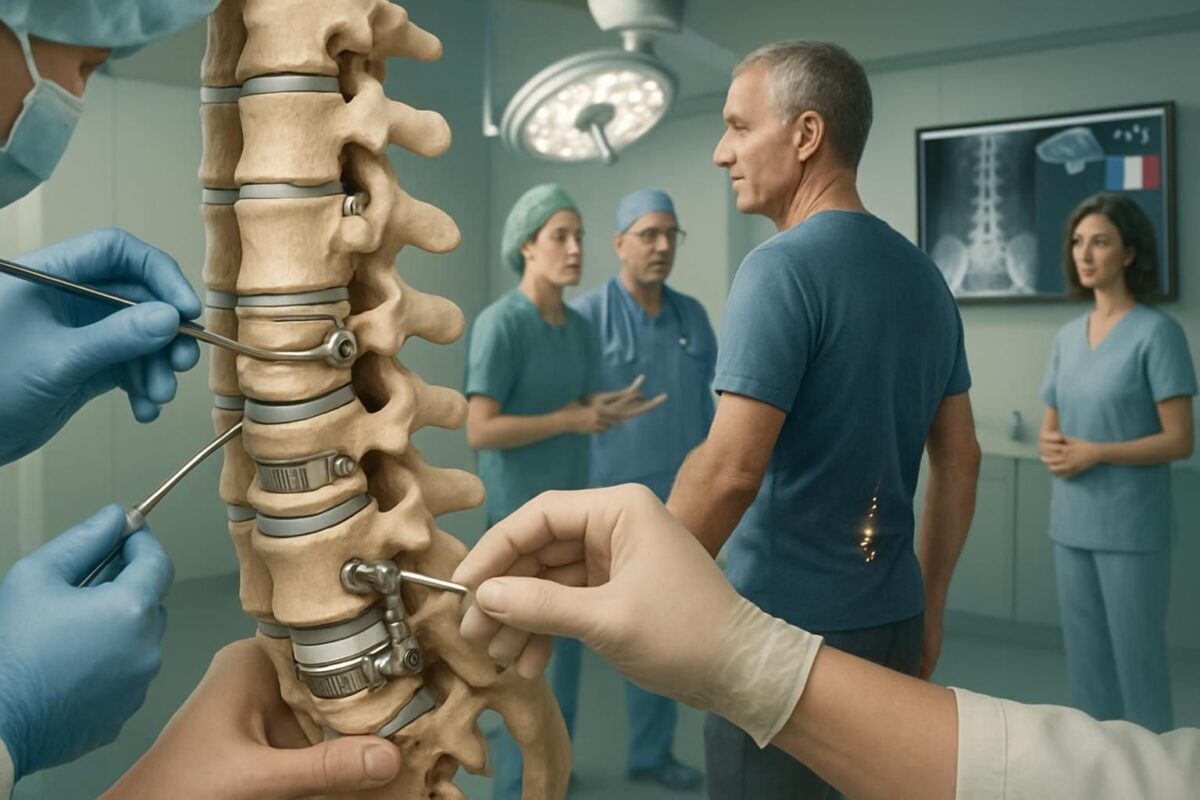
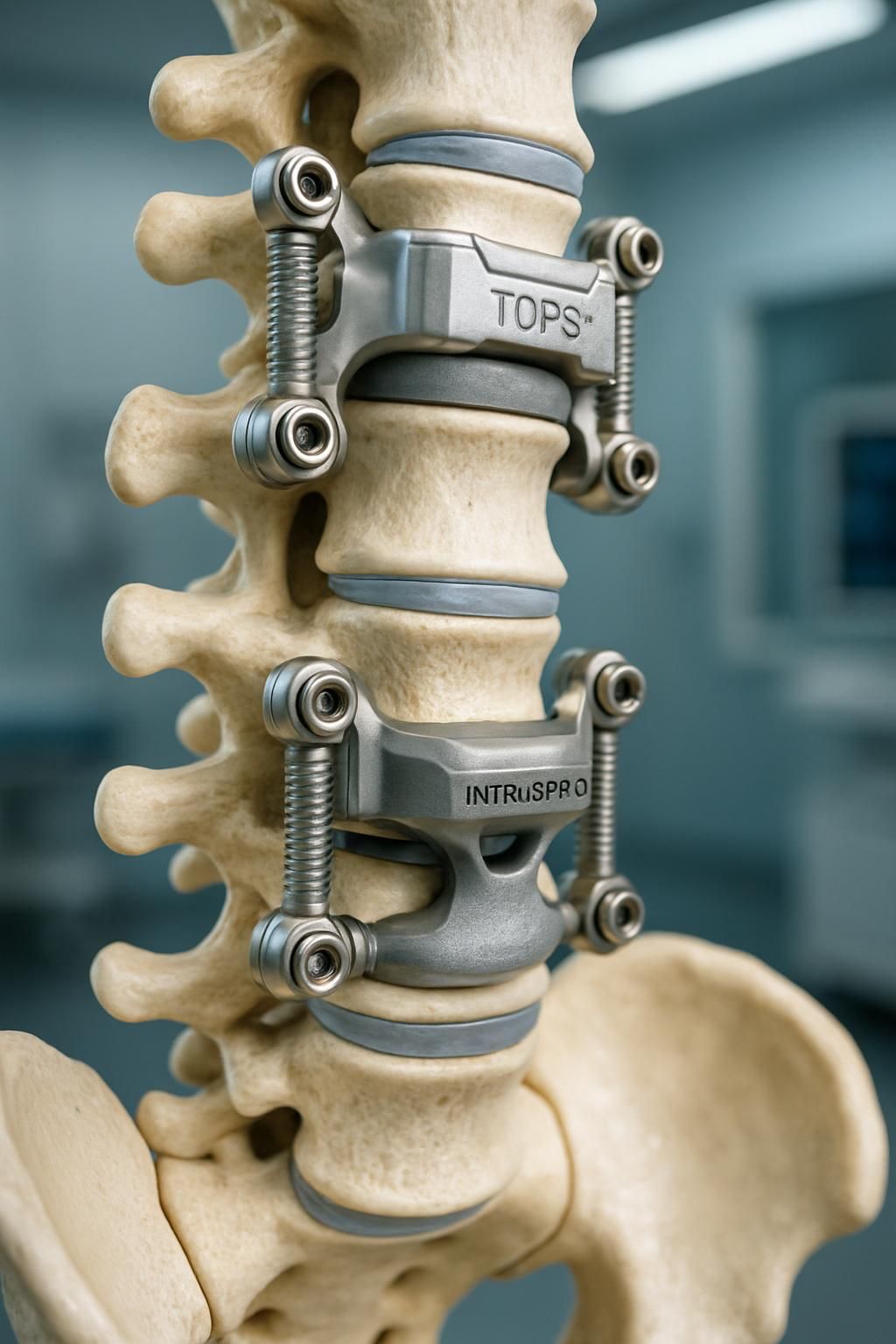
The dynamic implants offered by Cousin Spine, such as the TOPS (Total Posterior Spine System) or Intraspine, help stabilize the vertebral segments while maintaining a certain range of physiological motion. This technology significantly reduces the risk of adjacent segment degeneration, a common problem with traditional fusion, where excessive stress is transferred to neighboring segments. By maintaining controlled mobility, these devices improve patients’ overall quality of life by limiting postoperative pain and facilitating a faster return to daily activities.
Real-world examples of Cousin Spine implants
The TOPS system is designed for lumbar surgery dynamic stabilization, offering a reliable alternative to traditional arthrodesis. It is indicated in particular for cases of spinal stenosis symptomatic degenerative disease or moderate spondylolisthesis. TOPS’s innovative biomechanical design relies on metal and polymer components capable of absorbing and transmitting the spine’s natural movements without compromising stability.
Intraspine is another flagship innovation—an interspinous implant designed to facilitate indirect decompression—ideal for patients with osteoarthritis moderate wear of the articular facets with functional limitation. It is implanted using a minimally invasive technique, reducing surgical trauma and intra- and postoperative complications. These implants are fully traceable through the company, ensuring maximum patient safety throughout the entire medical process.
The range of dynamic implants is expanding with products such as B-DYN, which offer complementary damping and stabilization technology. The use of these devices naturally depends on the personalized assessment patients receive from their very first visit in Canada, in order to select the option best suited to their condition when surgery is indicated.
To learn more about the differences between these implants and their clinical relevance, I invite you to review the studies on Cousin Spine and Franchir technology, which provide solid scientific evidence and concrete real-world experience.
Franchir's role: managing the patient journey for successful spinal surgery in France
Cross plays a central role in the care pathway for patients in Quebec and across Canada seeking access to innovative spinal surgery in France. Its mission is twofold: to precisely refer each patient to the hospital and surgeon best suited to their condition, and then to coordinate all logistical aspects of the medical stay. This approach significantly reduces often problematic wait times, while ensuring quality, safety, and compliance with all European and international standards.
Érik Boulard, drawing on his combined experience in both the clinical and industrial sectors, personally oversees this coordination. His expertise enables a rigorous selection of partners, including institutions such as the University Hospital of Le Mans, Rangueil Hospital in Toulouse, and the Bordeaux Nord Aquitaine Clinic. These centers have the technical and human resources necessary for the implementation of Cousin Spine technologies as well as appropriate postoperative follow-up care.
From a logistical standpoint, Franchir handles everything: booking direct flights or flights with optimized layovers, accommodations located right next to the operating rooms, secure transfers, and personalized support in French. Each patient thus benefits from a streamlined and compassionate experience, reducing the stress and hassles associated with international medical travel.
Summary table of partner hospitals and their specialties
Open and minimally invasive surgery, postoperative follow-up
Intraspine, B-DYN
A personalized approach tailored to each patient
This level of organization also relies on close collaboration with Neurothérapie Montréal, which provides a personalized post-operative follow-up as close as possible to the patient’s home, thereby ensuring continuity of care after returning to Canada. Thanks to this complementary approach, international care reaches a standard of excellence rarely matched.
Implants and Innovations: How Medical Technology Is Transforming Spinal Surgery
The integration of Cousin Spine technologies into spinal surgery perfectly illustrates the current shift in this field toward greater precision, personalization, and safety. Each implant is the result of extensive research combining biomechanics, advanced materials (titanium, innovative polymers), and state-of-the-art industrial processes. These innovations not only reduce intraoperative complications but also contribute to a faster recovery with better preservation of anatomical structures.
One of the key challenges is reducing the use of routine fusion, which often leads to undesirable long-term consequences, such as ankylosis and functional limitations. Implants such as those offered by Cousin Spine allow for dynamic stabilization, limiting the need for fusion. This philosophy aligns with the experience of Érik Boulard, who for over 30 years has advocated for techniques that promote mobility and personalized treatment.
Demonstrated clinical benefits
Preservation of spinal mobility for a more natural feel
Reduction of postoperative pain thanks to a less invasive approach
Reduced risk of adjacent tooth decay by reducing stress on adjacent segments
Traceability and Safety total number of implants certified by European and American organizations
Minimally invasive techniques reducing hospital stays and promoting early recovery
These benefits bring a new dimension to spinal surgery and attest to the quality of the medical devices developed by Cousin Spine, which are widely recognized by the surgical community in France and around the world.
Organizing the patient journey: from assessment to coordinated postoperative follow-up
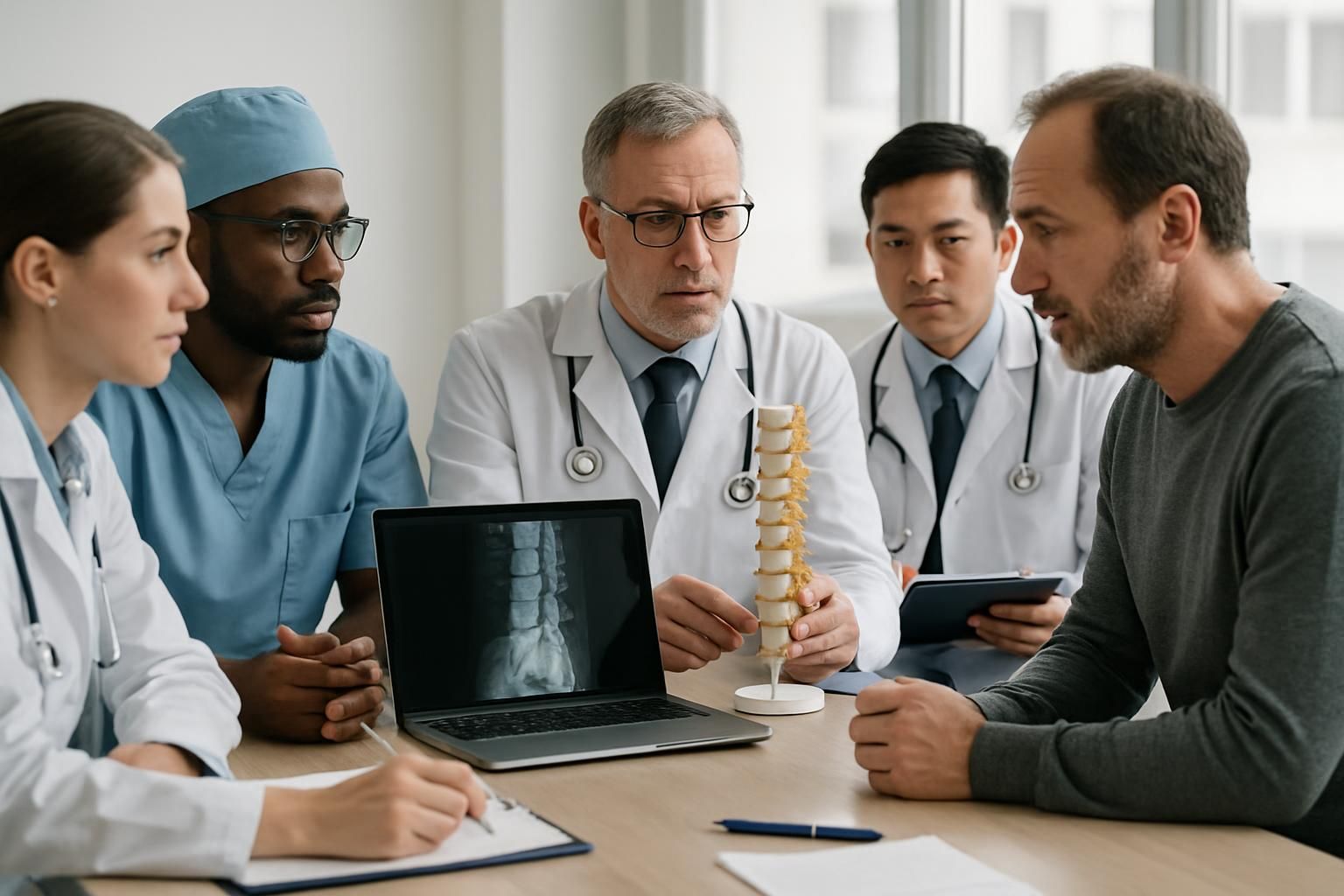
The success of spinal surgery using innovative implants is inextricably linked to a patient care pathway that is carefully coordinated with compassion. From Canada, the Dr. Sylvain Desforges He and his team at TAGMED conduct a comprehensive evaluation of medical records and patients, as well as overseeing specialized conservative treatments, including robotic neurovertebral decompression. This preliminary step is crucial for determining the appropriate treatment options without prematurely committing to surgery.
Franchir then takes over, guiding each patient to the French hospital and surgeon best suited to their specific needs. This referral process takes into account the specific characteristics of the Cousin Spine implants available at each center, as well as the patient’s personal and logistical needs, thereby ensuring the highest level of personalization.
Post-operative follow-up with Neurotherapy Montreal
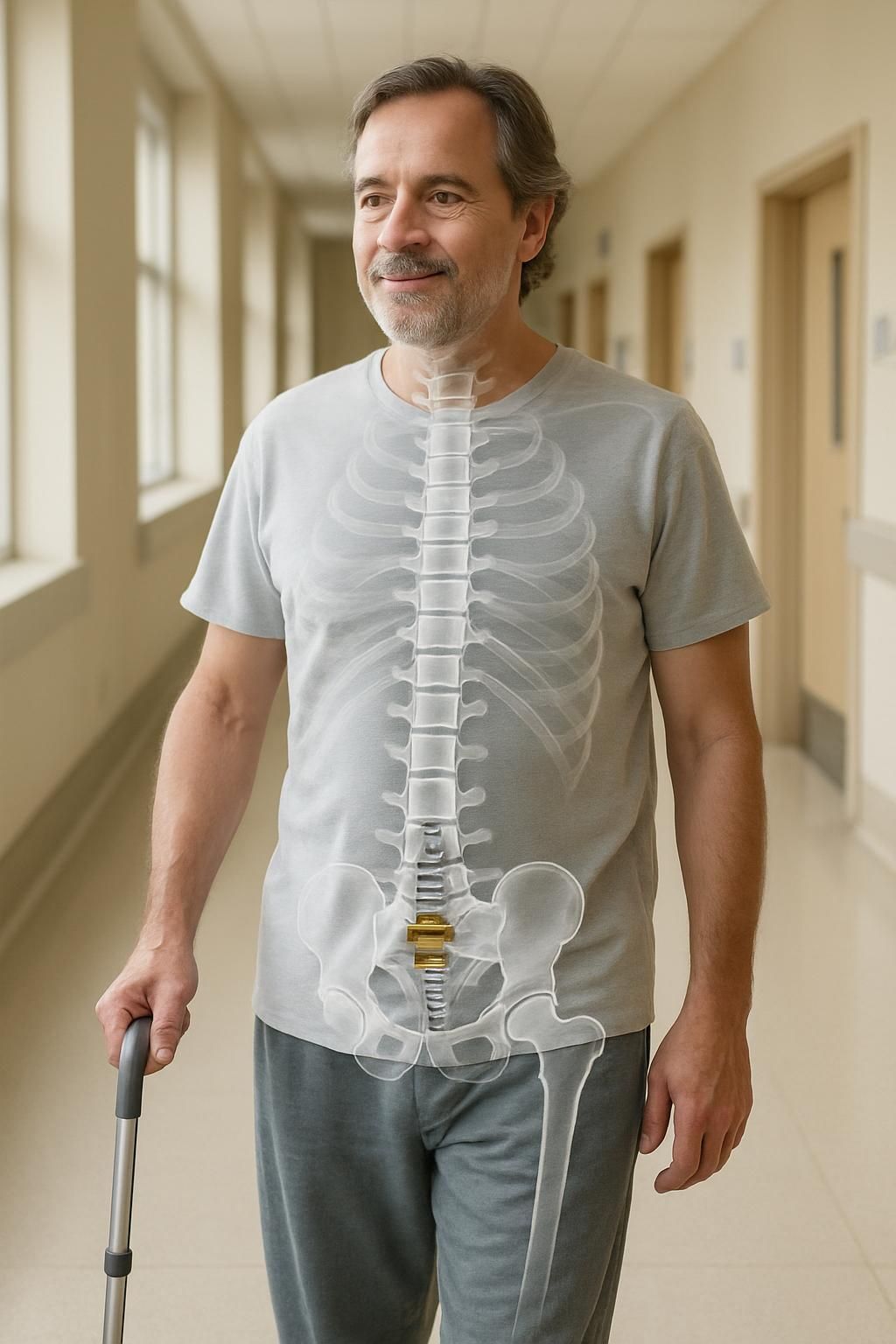
After the procedure, Neurothérapie Montréal supports patients throughout their recovery period in Canada. This support includes personalized care and close monitoring to quickly identify any discomfort or complications and optimize functional rehabilitation. This coordination system provides an additional assurance of safety and confidence for patients, who thus benefit from continuity of care across international borders.
This comprehensive overview is illustrated in the table below, which summarizes the key stages of the transatlantic surgical process:
Step
Manager / Organization
Key actions
Initial assessment
Dr Sylvain Desforges & TAGMED
Thorough review of medical records, specialized conservative treatments
Surgical guidance
Cross
Choosing a clinic and surgeon, arranging travel and accommodations
Surgical procedure
Hospital in France
Placement of Cousin Spine implants, minimally invasive techniques
Postoperative follow-up
Neurotherapy Montreal
Personalized Support and Rehabilitation in Canada
{«@context»: »https://schema.org», »@type»: »FAQPage», »mainEntity»: [{«@type»: »Question», »name»: »What are the advantages of Cousin Spine implants compared to traditional fusion?», »acceptedAnswer»:{«@type»: »Answer», »text»: »Cousin Spine implants, such as TOPS and Intraspine, help preserve the natural mobility of the spine, reduce postoperative pain, and prevent degeneration of adjacent segments, unlike traditional fusion, which stiffens the spine. »,{«@type»: »Question», »name»: »How is the patient journey organized from Canada to surgery in France?», »acceptedAnswer »:{« @type »: »Answer », »text »: »The process begins with a comprehensive evaluation by Dr. Sylvain Desforges and his team at TAGMED, followed by guidance and organization of the stay by the Franchir association, with post-operative care provided by Neurothérapie Montreal.»}},{«@type»: »Question», »name»: »Which hospitals in France offer Cousin Spine technology?», »acceptedAnswer»:{«@type»: »Answer», »text»: »Renowned centers such as Le Mans University Hospital, Rangueil Hospital in Toulouse, and the Bordeaux Nord Aquitaine Clinic offer access to Cousin Spine implants, with experienced teams and surgical techniques tailored to spinal conditions. »}},{«@type»: »Question», »name»: »What is the role of the Franchir society in this process?», »acceptedAnswer »:{« @type »: »Answer », »text »: »Franchir ensures precise referral to the most suitable surgeon and center, while handling all travel arrangements, accommodations, and logistics in France, ensuring a smooth and efficient stay.»}},{«@type»: »Question», »name»: »Is post-operative follow-up provided in Canada?», »acceptedAnswer»: {«@type»: »Answer», »text»: »Yes, Neurotherapy Montreal supports patients throughout their post-surgical follow-up after their return to Canada, offering personalized support and close monitoring.»}}]}
What are the advantages of Cousin Spine implants compared to traditional fusion?
Cousin Spine implants, such as TOPS and Intraspine, help preserve the spine’s natural mobility, reduce postoperative pain, and prevent degeneration of adjacent segments, unlike traditional fusion, which stiffens the spine.
How is the patient’s journey organized from Canada to the surgery in France?
The process begins with a comprehensive evaluation by Dr. Sylvain Desforges and his team at TAGMED, followed by guidance and coordination of the stay by Franchir, with post-operative care provided by Neurothérapie Montréal.
Which hospitals in France offer Cousin Spine technology?
Renowned medical centers such as Le Mans University Hospital, Rangueil Hospital in Toulouse, and the Bordeaux Nord Aquitaine Clinic offer access to Cousin Spine implants, with experienced teams and surgical techniques tailored to spinal conditions.
What role does Franchir play in this process?
Franchir ensures that patients are referred to the most suitable surgeon and medical center, while handling all travel, accommodation, and logistical arrangements in France, guaranteeing a stress-free and efficient stay.
Is post-operative follow-up care provided in Canada?
Yes, Neurothérapie Montréal supports patients throughout their post-surgical follow-up care after they return to Canada, providing personalized support and close monitoring.
To get started or ask questions, visit https://sostourismemedical.com/contact and receive a personalized evaluation from our team of experts in spinal surgery and transatlantic coordination.
A spine specialist for over 30 years, Érik Boulard founded France Rachis, France's leading distributor of innovative spine implants. With the unique experience of over 3,000 operating room surgeries and a vast network of surgeons and elite hospitals in France and Europe, he now accompanies Quebec and Canadian patients via SOS Tourisme Médical, Franchir and Neurothérapie Montréal. His commitment: to offer fast, personalized access to the best spine techniques and teams, to preserve patients' mobility and quality of life.


Récupération fonctionnelle par paliers expliqué aux patients québécois
Learn more