Summary of: Spine surgery in France and its impact on surgical choice
Face aux douleurs chroniques du dos et du cou, de nombreux patients québécois se tournent vers la France pour des solutions chirurgicales innovantes. Grâce à des techniques mini-invasives et des implants dynamiques, la chirurgie du rachis en France offre des alternatives efficaces, tout en garantissant un suivi rigoureux et personnalisé. Ce parcours transatlantique, orchestré par des experts comme le Dr Sylvain Desforges, assure une qualité de soins optimale et un retour rapide à la vie active.
Top 5 Tips to Remember
La France propose des techniques chirurgicales avancées pour le traitement des douleurs chroniques du rachis.
Dynamic implants such as TOPS and IntraSPINE preserve spinal mobility.
Un suivi post-opératoire rigoureux est assuré par des experts comme Neurothérapie Montréal.
La coordination entre le Québec et la France optimise le parcours patient.
Les traitements conservateurs sont recommandés avant d'envisager la chirurgie.
Faced with the major challenges posed by chronic back and neck pain, many Quebec patients are looking for effective, fast-acting alternatives to improve their quality of life. Long waits in the local healthcare system, combined with the sometimes prohibitive costs of private care, are turning many towards innovative international solutions. France, renowned for its know-how in spine surgery, offers advanced expertise, thanks in particular to minimally invasive surgical techniques and latest-generation dynamic implants such as the TOPS or IntraSPINE systems. These technologies preserve spinal mobility while ensuring optimum patient safety. The French care pathway is distinguished by its scientific rigor, the meticulous coordination of all stages from Quebec to post-operative follow-up, and the commitment of recognized experts offering personalized, human and reassuring support.
This transatlantic collaboration highlights a complete network where the Dr. Sylvain Desforges, with over 30 years' experience and multiple qualifications, plays a key role in the evaluation and supervision of advanced conservative treatments at Clinique TAGMED. This preliminary step is essential to prepare patients for eventual surgical treatment, while maximizing their chances of functional recovery. In addition, the efficient post-operative follow-up provided by Neurotherapy Montreal, Franchir and SOS Tourisme Médical's logistical and administrative organization guarantees a smooth and secure journey. This Franco-Quebec alliance meets the highest expectations in terms of quality of care and optimizing the return to an active life.
Innovative spine surgery techniques available in France
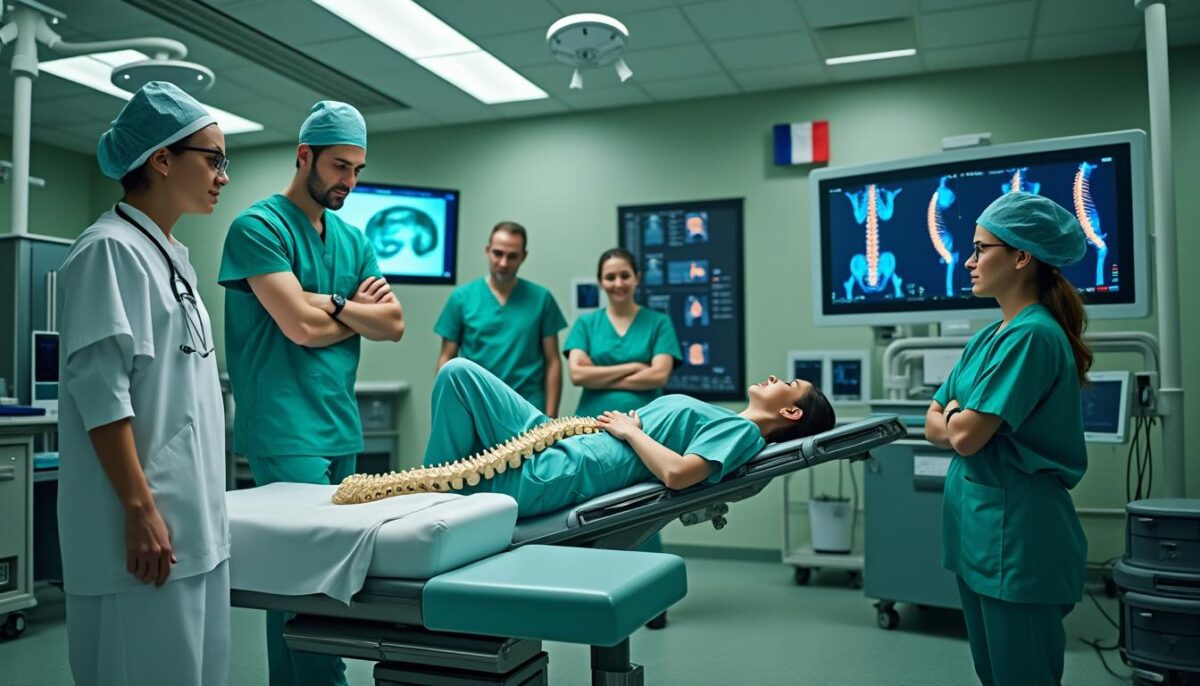
There spinal surgery in France has evolved with technological advances to offer patients a wide range of appropriate surgical solutions. There are three main categories: classic spinal fusion techniques (arthrodesis), motion or non-fusion procedures incorporating dynamic implants, and minimally invasive approaches such as endoscopy. Each of these techniques meets specific needs, depending on the spinal pathology diagnosed by the medical teams.
Conventional surgery: arthrodesis and spinal fusion
Spinal fusion remains an effective solution for stabilizing the spine in cases of severe deformity, such as scoliosis, advanced spondylolisthesis and certain spinal deformities. This procedure involves fusing two or more vertebrae to create a solid block, often using screws, titanium rods and bone grafts. Although this technique offers lasting correction, it does result in stiffening of the segment concerned, which can partially compromise spinal mobility.
Leading French establishments such as the Centre National de la Chirurgie du Rachis or DosExpert France apply rigorous protocols validated by research to guarantee safety and limit risks. Nevertheless, it is recognized that in the long term, this immobilization can generate adjacent osteoarthritis phenomena with compensatory stiffening. For this reason, a detailed risk-benefit assessment is essential before choosing this option.
Dynamic implants and motion surgery: preserving and restoring movement
In response to the growing desire of patients and medical teams to maintain vertebral mobility, France is a leader in the use of innovative implantable systems such as TOPS or IntraSPINE. These implants stabilize the spine while maintaining targeted control over natural movements, for example by replacing dysfunctional facet joints or dynamically supporting mechanical stresses.
The technology TOPS, used in centers such as Clinique TAGMED and Rachis Innovation, acts as a mechanical joint that limits excessive stiffness, often responsible for post-operative pain and degeneration of adjacent segments. IntraSPINE absorbs pressure on the intervertebral discs, reducing stress on the surrounding bone and ligament structures. These innovations have demonstrated a significant acceleration in functional recovery and a substantial improvement in post-exertion quality of life.
Minimally invasive and endoscopic surgery: reducing trauma and speeding up rehabilitation
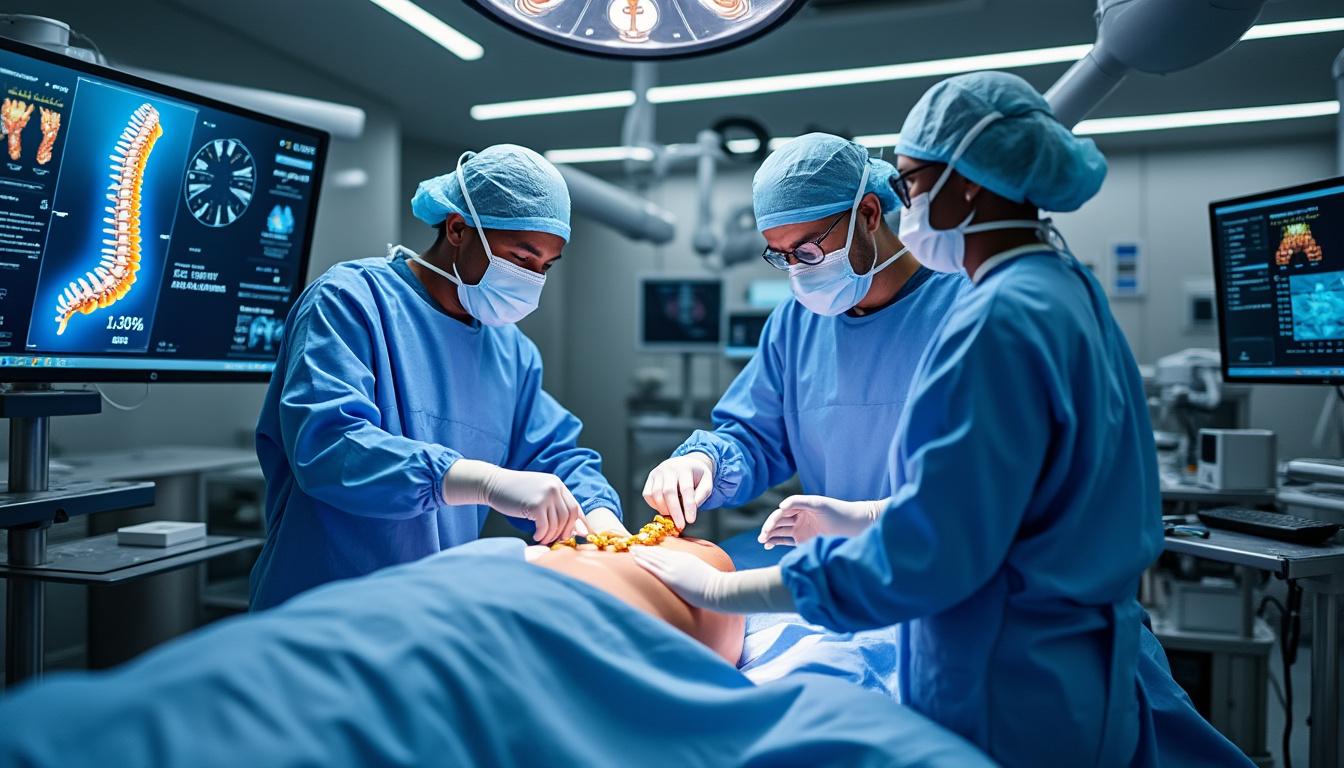
French centers, notably Paris Rachis Accompagnement, are also developing minimally invasive techniques designed to limit surgical impact without sacrificing procedural rigor. This type of intervention is characterized by very small incisions, often assisted by real-time medical images, enabling herniated discs to be removed or nerves to be decompressed without opening up the surrounding tissues.
Percutaneous surgery, such as cementoplasty or kyphoplasty, is one such approach, specifically targeting vertebral consolidation or correction of bone compression with minimal pain and complications, and a rapid return to everyday life. Mastering these techniques requires a high level of expertise and coordination to optimize clinical results.
Spine surgery patient pathway between Quebec and France: key milestones
A successful surgical course depends on precise coordination and a structured protocol covering all stages before, during and after surgery. Dr. Sylvain Desforges plays a central role as an expert in the exhaustive evaluation of patient files in Quebec, ensuring that all criteria are met and supervising specialized conservative treatments before any surgical referral.
Initial assessment and advanced conservative treatments
Before even considering surgery, a minimum of 3 to 6 months of non-invasive treatments is recommended. Dr Desforges and his team at Clinique TAGMED implement protocols for neurovertebral decompression combined with rigorous osteopathic approaches, without resorting to conventional physiotherapy. This requirement favours a significant reduction in pain and improves spinal function, thus limiting the need for systematic recourse to surgery.
In a context where conservative treatments do not integrate the neurovertebral decompression as practiced at TAGMED, patients are strongly advised to complete this phase before considering surgery. This strategy improves long-term results and enables optimal customization of surgical options if necessary.
Transatlantic planning, organization and coordination
For every patient ready to undergo surgery, the company Cross ensures personalized referral to the most appropriate French surgeon, according to medical profile and specific pathology. This partner also manages the complete organization of the trip, accommodation and the necessary logistics in France, minimizing the constraints and stress associated with the medical stay.
At the same time, the SOS Medical Tourism helps patients understand surgical techniques, eligibility criteria and administrative procedures. This network ensures seamless communication between professionals in Quebec and France.
Post-operative follow-up and rehabilitation
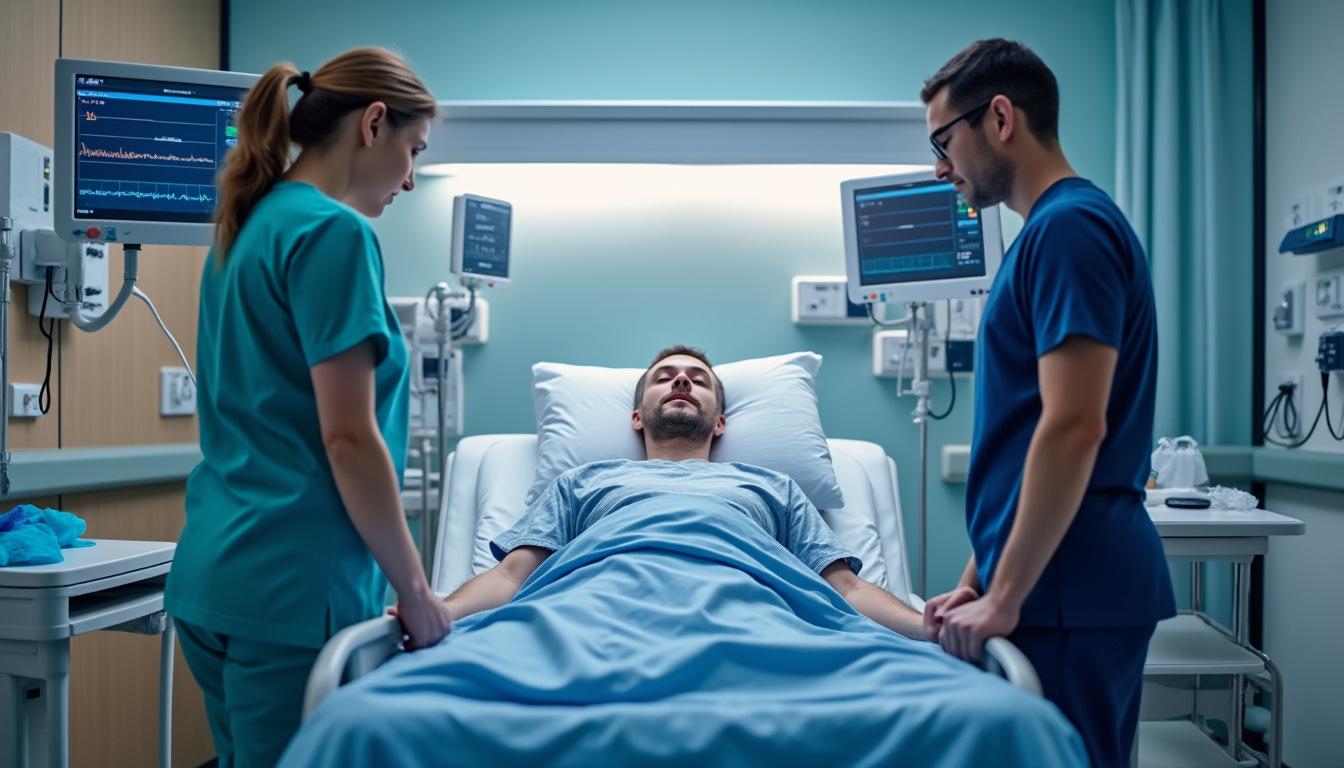
The return to Quebec is closely monitored by Neurothérapie Montréal, which offers personalized support and rigorous monitoring during the post-operative phase. This team of trained professionals focuses on preventing complications, optimizing functional rehabilitation, and listening attentively to patients throughout their convalescence.
Biomechanical, economic and human advantages of the Québec-France international route
Choosing a transatlantic route for spine surgery offers a number of significant benefits. In biomechanical terms, access to state-of-the-art dynamic implants and innovative surgical techniques offers significant preservation of mobility and a reduction in post-operative sequelae. Motion surgery, thanks in particular to the TOPS or IntraSPINE systems, limits the rigidity induced by conventional arthrodesis, a crucial factor for long-term quality of life.
From an economic point of view, surgery in France often makes it possible to bypass the long waiting times of the Quebec healthcare system, indirectly reducing the costs associated with worsening pathology and lost productivity. Thanks to the professional logistical organization provided by Franchir and SOS Tourisme Médical, patients benefit from an optimized pathway, avoiding unnecessary expenses and maximizing a rapid return to autonomy.
Finally, the human aspect cannot be underestimated. The bilingual, French-speaking support, cultural proximity and pedagogical approach of Dr Desforges and his network facilitate a better understanding of the issues at stake and establish a climate of trust. This reassures and motivates patients throughout their treatment, encouraging their active involvement and greater therapeutic success.
Aspect
Advantages of the Québec-France route
A concrete example
Biomechanics
Preserving mobility with dynamic TOPS and IntraSPINE implants
Reduced risk of adjacent osteoarthritis, accelerated recovery
Economical
Shorter lead times, better cost management and optimal stay
Complete organization by Franchir, administrative support by SOS Tourisme Médical
Human
Personalized support, clear and reassuring communication
Linguistic and cultural support, post-operative follow-up by Neurothérapie Montréal
Why not consider surgery before a full course of conservative treatment?
It is essential to remember that spinal surgery should remain a considered option, reserved for cases where conservative treatments, lasting a minimum of 3 to 6 months, have failed to achieve satisfactory improvement. In this respect, Clinique TAGMED offers unique expertise in the implementation of robotic neurovertebral decompression protocols, which can significantly improve pain and function without the need for surgery.
This conservative approach is based on rigorous scientific evidence, under the supervision of Dr. Sylvain Desforges, who ensures patient ethics and safety, while tailoring care to the patient's profile. Resorting to surgery before having explored these specialized care options may expose patients to unnecessary risks and compromise the subsequent success of treatment.
Once this stage has been reached, and only if the results are still insufficient, the surgical option can then be considered, with full knowledge of the advantages and limitations. This gradual approach illustrates the rigor and humanity that define the course of treatment proposed for each patient.
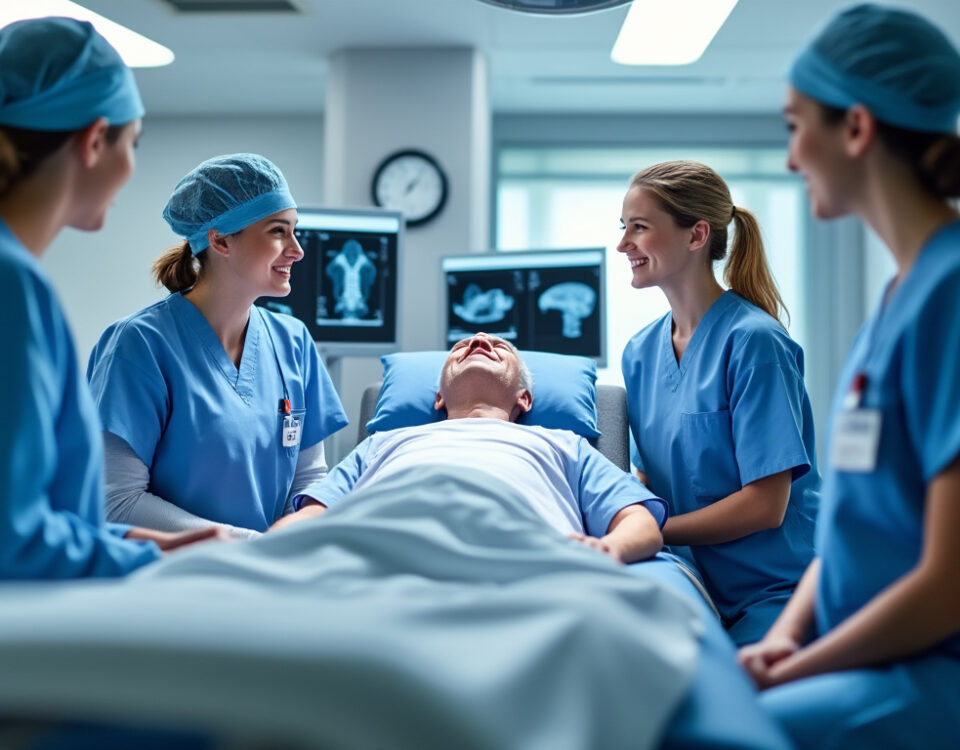
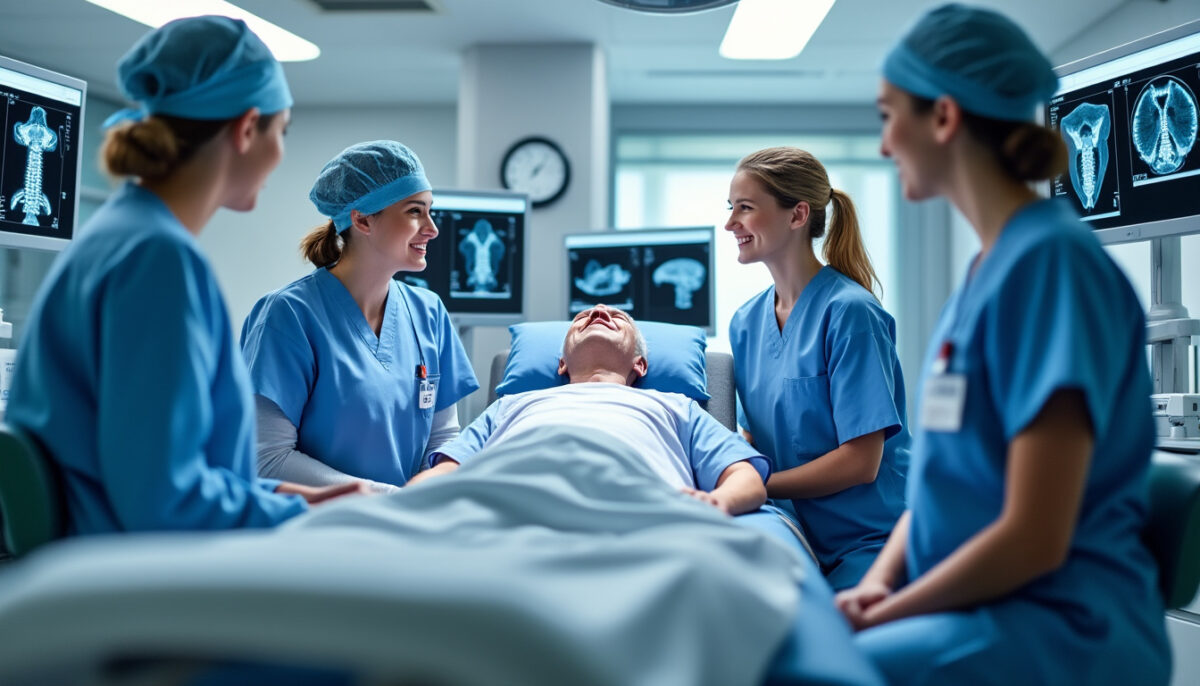
An introduction to innovative surgical techniques used in France, highlighting dynamic prostheses and minimally invasive surgery.
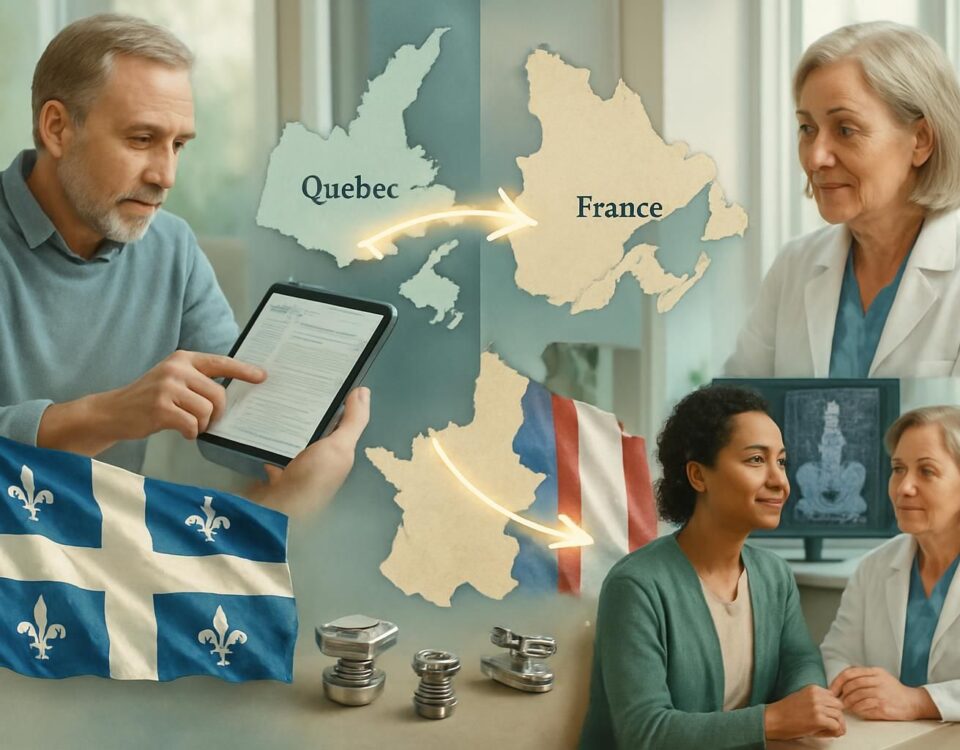
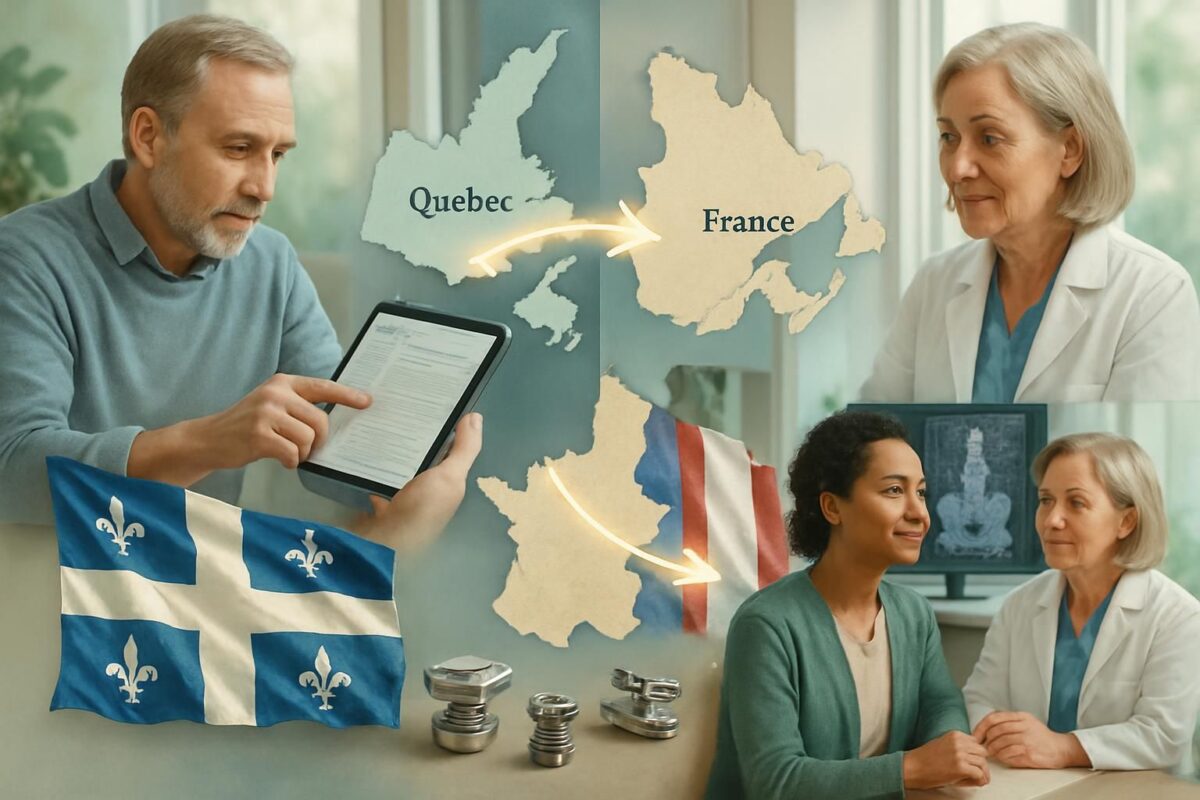
Testimonies and story of a patient who underwent spinal surgery in France as part of a secure international pathway.
For an initial evaluation or neurovertebral decompression treatment, make an appointment with Dr. Sylvain Desforges and his team at Clinique TAGMED by visiting their website. Post-operative follow-up and personalized support are provided by Neurothérapie Montréal. Franchir organizes your entire surgical orientation and stay in France. For more information or to discuss your case, please visit SOS Medical Tourism.
Dr. Sylvain Desforges is the founder of SOS Tourisme Médical. With over 35 years of expertise in evaluating spinal disorders and supporting patients with chronic spinal conditions, Dr. Sylvain Desforges has established himself as a leading authority for Canadians seeking access to innovative back and neck surgery in France. Renowned for his clinical rigor and teaching skills, he performs in-depth evaluations and supervises conservative treatments—particularly non-surgical spinal decompression therapy—at TAGMED, prior to any surgical procedure. Through SOS Tourisme Médical, he coordinates a network of complementary partners:Neurothérapie Montréal, for specialized preoperative examinations and postoperative follow-up (neuromtl.com), Franchir, for referrals to the best spine centers and surgeons in France, as well as complete logistical organization of the stay (franchir.eu),and TAGMED for initial assessment and conservative treatments (cliniquetagmed.com). Every day, he is committed to informing, guiding, and supporting patients at every stage: understanding techniques and implants (TOPS™, Intraspine®, disc prostheses, etc.), explaining eligibility criteria, administrative procedures, practical organization, and follow-up until their return to Quebec. Its goal: to guarantee a fast, personalized, and transparent care pathway, in complete safety, to enable everyone to regain mobility and quality of life thanks to advances in spinal surgery. For more information or for a personalized assessment, discover the pathway offered by SOS Tourisme Médical or contact us directly via the online form.




Le rôle de récupération fonctionnelle par paliers dans un parcours réussi
Learn more