Summary of: The Postoperative Course Following Back Surgery
Le suivi post-opératoire après une chirurgie du dos est crucial pour la récupération des patients, en particulier ceux qui se rendent en France pour leur intervention. Sous la direction de Philippe Mazaltarim, ce parcours intègre des solutions innovantes telles que la rTMS et une approche personnalisée pour chaque patient, garantissant une convalescence sereine et efficace.
Top 5 Tips to Remember
Le suivi post-opératoire commence dès le pré-opératoire et est adapté à chaque type de chirurgie.
La rTMS est utilisée pour gérer la douleur chronique et améliorer le bien-être psychologique.
Un programme de réhabilitation personnalisé est essentiel pour chaque patient.
La coordination entre Neurothérapie Montréal, SOS Tourisme Médical et Franchir assure un suivi complet.
Une communication ouverte avec les professionnels de santé est cruciale pour une récupération réussie.
The post-operative recovery period following back surgery is a critical stage in the healing process, particularly for Canadian patients who choose to have their procedure in France. Under the direction of Philippe Mazaltarim, a renowned expert in neuromodulation and director of Neurothérapie Montréal, this care program stands out for its integrated approach that combines innovation, neurofunctional expertise, and personalized support. Thanks to a close partnership between Neurothérapie Montréal, SOS Tourisme Médical, and Franchir, this international care pathway is tailored to each patient’s specific needs, ensuring a gradual, controlled, and stress-free recovery.
There spinal surgery, —whether it involves a simple procedure, motion preservation, or spinal fusion—requires specific attention to pain management, personalized rehabilitation, and the prevention of complications. This care, which begins in the preoperative phase, incorporates solutions such as repetitive transcranial magnetic stimulation (rTMS) and other non-invasive neuromodulation techniques to improve quality of life, reduce chronic pain, and boost patients’ morale. Let’s delve into the heart of advanced post-operative care protocols, revealing the added value of rigorous and compassionate transatlantic medical management.
Key steps in post-operative follow-up based on the type of back surgery
Each type of spinal surgery requires a specific approach to postoperative care, tailored to its unique characteristics and the patient’s profile. Philippe Mazaltarim, as an expert in rTMS and neuromodulation, designs individualized programs that combine clinical monitoring, physical care, and innovative pain management.
Recovery after minor surgery
A simple surgical procedure, such as a microdiscectomy or a laminectomy, often involves nerve decompression without fusion. The initial postoperative phase, managed from the moment the patient returns home, aims to promote healing and minimize pain through relative rest and appropriate medication.
During the first three weeks, the patient is encouraged to move around the house in small ways and to maintain a posture that protects the spine. Pain medication is adjusted according to the level of pain, avoiding overmedication while ensuring adequate comfort.
The following 3- to 6-week period is critical: mobility is gradually restored through physical rehabilitation sessions focused on core strengthening and improving posture. Philippe Mazaltarim specifically oversees the introduction of rTMS in this context when persistent pain—particularly neuropathic pain or pain related to post-laminectomy syndrome—requires a targeted solution.
At two months, a gradual return to work is recommended, primarily for activities that are not physically demanding. Clinical monitoring by Neurothérapie Montréal continues to detect any signs of discomfort or late complications.
Key Features of Postoperative Follow-Up for Motion Preservation Surgery
So-called motion-preserving surgery focuses on maintaining the functional integrity of the spine through the use of implants such as artificial discs. This procedure requires particular attention to the stability of the implants and the quality of the functional restoration.
The preliminary neurofunctional assessment, conducted in collaboration with the surgeon in France, is a crucial first step. Upon returning to Canada, Neurothérapie Montréal initiates a protocol of gentle physical therapy combined with non-invasive neuromodulation, promoting brain plasticity and precise pain management.
Between the first and third months, the program includes personalized rehabilitation tailored to the patient’s progress. rTMS is incorporated to enhance functional recovery and prevent neuropathic pain from becoming chronic.
At six months, a comprehensive assessment of mobility is performed, followed by a gradual adjustment of physical activities, including a step-by-step return to sports. Ongoing monitoring allows for a rapid response in the event of complications or instability.
Close monitoring following spinal fusion
Spinal fusion involves permanently fusing two or more vertebrae, requiring a longer and more systematic postoperative follow-up. During the first six to eight weeks, the focus is on moderate immobilization to promote bone healing.
Close medical monitoring is essential for the early detection of any infection or complication. Philippe Mazaltarim also emphasizes the importance of psychological support during this follow-up period, as symptoms of depression or anxiety may arise following surgery, hindering rehabilitation. rTMS is then offered to boost morale and facilitate overall recovery.
Between three and six months, an active rehabilitation plan is implemented, focusing on isometric strengthening and postural rehabilitation. This phase prepares the patient for a gradual increase in physical activity.
After six months, the resumption of more strenuous physical activities, including sports if possible, is strictly supervised and adjusted based on clinical and radiographic progress.
Type of surgery
Approximate recovery time
Key areas of monitoring
Solutions offered by Neurotherapy Montreal
Simple surgery
2 to 3 months
Pain management, mobility, prevention of complications
rTMS for pain and mood, intensive clinical monitoring
A concrete example of successful post-operative follow-up
A patient from Quebec who underwent surgery for a herniated disc who underwent motion preservation surgery received a rehabilitation protocol combining physical therapy sessions and rTMS. At six months, his neuropathic pain had significantly decreased, and he was able to resume his regular athletic activities with a functional capacity superior to his preoperative condition, illustrating the effectiveness of combined approaches.
Personalized Schedule for Resuming Activities: Walking, Work, and Exercise After Back Surgery
A gradual return to daily and professional activities is central to post-operative recovery. Philippe Mazaltarim designs tailored programs that balance safety and physical activity, taking into account both the type of surgery and the patient’s prior physical condition.
Marches and peaceful protests as early indicators
Walking is often the first sign of a positive recovery. From the very first days, short walks around the home are encouraged to reduce stiffness and improve circulation.
Gradually, the intensity and duration of the walks are increased, with the introduction of stretching exercises and neurofunctional rehabilitation to improve posture and muscle coordination.
Returning to work that involves physical exertion
The type of work influences the date of return to work:
Sedentary work : possible within 4 to 6 weeks, with ergonomic adjustments and regular breaks.
Moderate physical activity : Gradual return to activity over 8 to 12 weeks, with rehabilitation support.
Work that places heavy strain on the spine : Recovery is generally expected after 4 to 6 months and requires targeted muscle strengthening exercises.
Safe resumption of sports activities
Athletes receive specialized support to ensure an optimal return to play:
Ages 3 to 6 months: Start incorporating low-impact activities such as cycling, swimming, or brisk walking.
From 6 to 9 months: Gradual intensification of training, with a focus on postural control.
Starting at 9 months: return to high-intensity sports under professional supervision.
«Spinal Wellness» Program and Personalized Support
Neurotherapy Montreal offers a comprehensive program that includes clinical follow-up, pain management, and the integration of neuromodulation to provide ongoing psychological and functional support. Patients thus benefit from a structured recovery process with clear and realistic goals, which builds their confidence and promotes their independence.
Innovative Neurotherapy Solutions in Montreal to Optimize Postoperative Care
Philippe Mazaltarim, renowned for his expertise in repetitive transcranial magnetic stimulation (rTMS), is leading Neurothérapie Montréal toward innovative approaches that incorporate neuromodulation to improve recovery and quality of life for patients who have undergone back surgery.
Targeted Management of Chronic and Neuropathic Pain
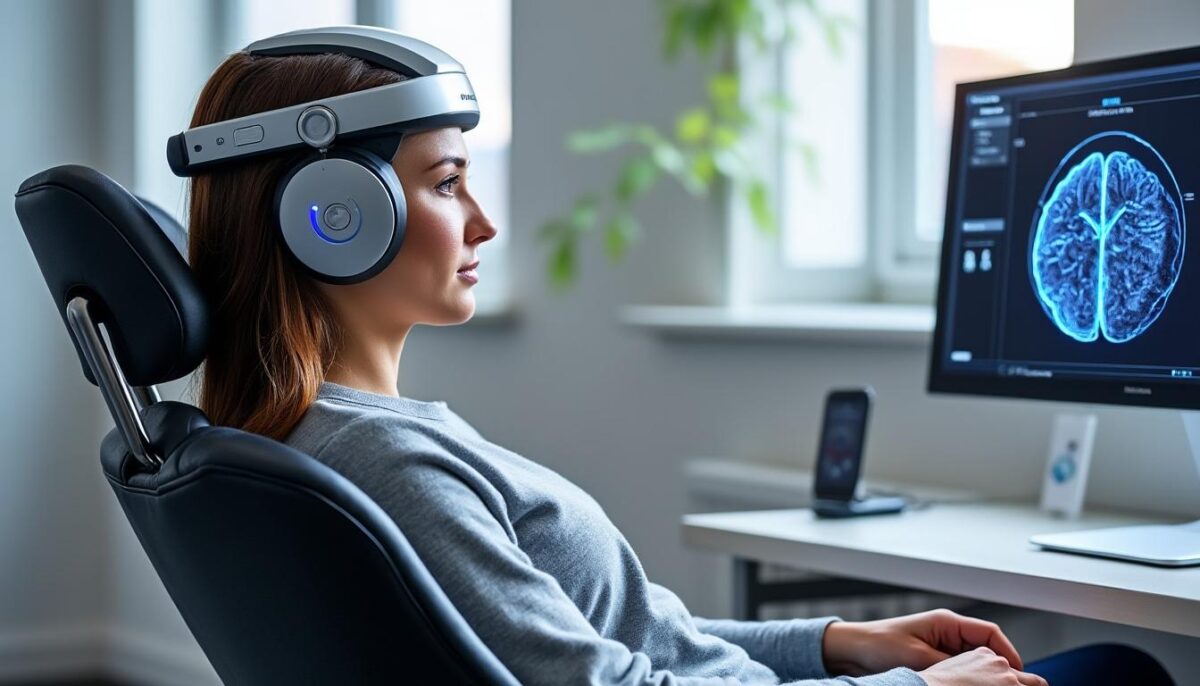
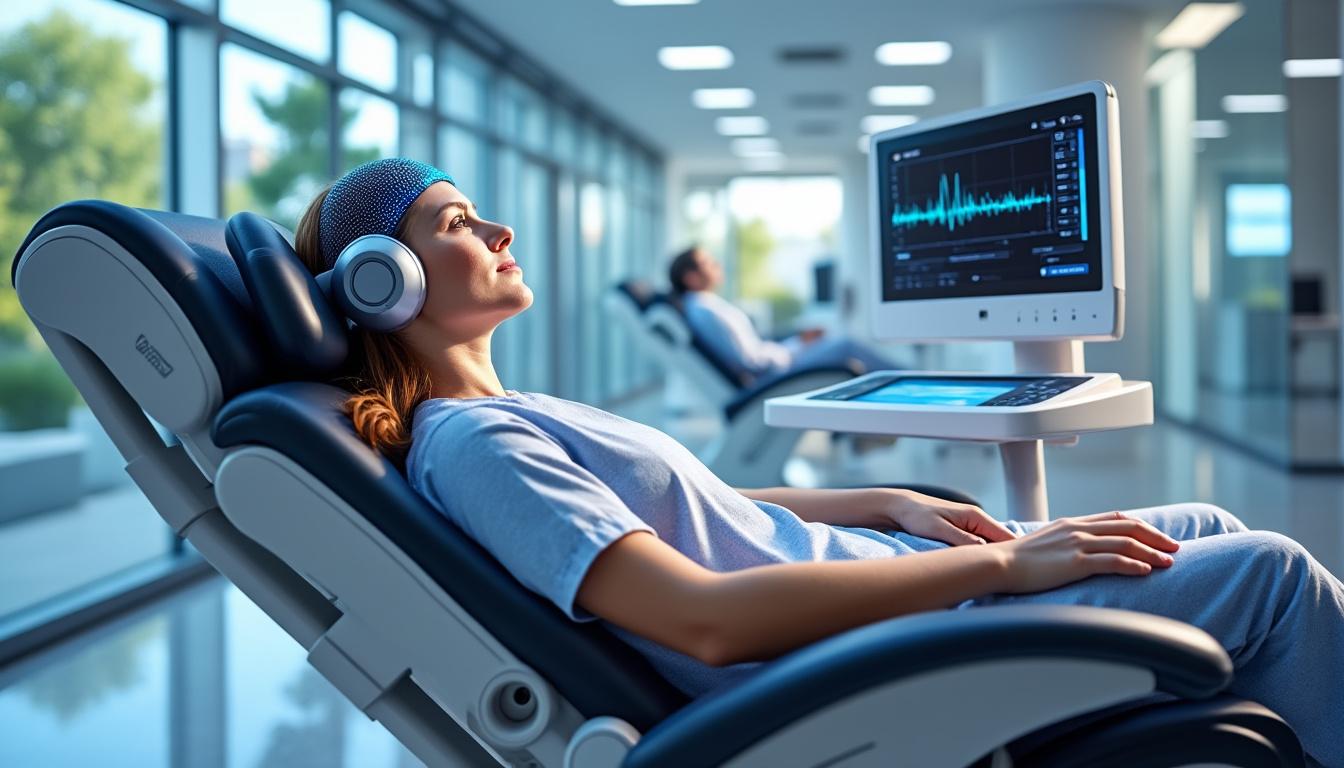
Persistent post-surgical pain is a major challenge. rTMS offers a non-invasive way to modulate the brain circuits involved in pain perception.
A personalized treatment plan, combined with physical therapy sessions, helps reduce pain and improve daily functioning, thereby avoiding prolonged reliance on medication.
Management of post-laminectomy syndrome
Post-laminectomy syndrome is characterized by chronic pain following decompression surgery. Neurotherapy Montreal uses a combination of advanced techniques, including BrainPort and PoNS, to stimulate brain plasticity and promote neurosensory reorganization.
This innovative approach, combined with personalized support, leads to significant improvement in motor and sensory disorders, which are often considered difficult to treat using conventional methods.
Psychological support and postoperative neuromodulation
Patients' moods may be affected by depression or anxiety following surgery. Repetitive transcranial magnetic stimulation (rTMS) applied to brain areas involved in mood regulation helps improve mental well-being, promoting motivation and participation in rehabilitation.
Philippe Mazaltarim advocates for an integrated approach that combines the psychological and physical aspects of recovery, emphasizing that a successful recovery also depends on a positive mental state.
International coordination and personalized support for the post-operative care of patients in Quebec
As part of the partnership between Neurothérapie Montréal, SOS Tourisme Médical, and Cross, patient care in Quebec benefits from seamless coordination between the two continents. Philippe Mazaltarim plays a central role in this synergy, ensuring the smooth transfer of medical records and tailoring follow-up care to specific needs.
Preoperative management and preparation for departure to France
Even before the procedure, Neurothérapie Montréal conducts a thorough neurofunctional assessment of the patient. This preparatory process aims to optimize the patient’s physical and psychological condition, thereby minimizing the risk of post-operative complications.
At the same time, the Franchir teams work to organize the stay in France, from referring patients to the appropriate surgeon to handling the logistics of travel and accommodation. SOS Medical Tourism provides information and support to the patient throughout the administrative process.
Close post-operative follow-up upon return to Quebec
Following the procedure, the Neurotherapy Montreal team provides targeted follow-up care, combining regular medical check-ups, personalized rehabilitation, and innovative pain management. This approach facilitates the early detection of unusual symptoms and allows for immediate adjustments to the treatment plan.
Philippe Mazaltarim works closely with patients, focusing particularly on chronic pain management and psychological support through neuromodulation. This dual-pronged approach helps prevent relapses and contributes to a better quality of life.
An example of successful cross-continental collaboration
A patient who underwent spinal fusion surgery in France through Franchir attested to the effectiveness of the post-operative care provided by Neurothérapie Montréal. Thanks to close coordination between the teams, his return to Canada went smoothly without any major complications. The ongoing support, including rTMS and rehabilitation, allowed him to gradually resume his daily and professional activities.
Rigorous protocols and multidisciplinary collaboration for optimal postoperative care
A successful recovery depends on the strict implementation of appropriate protocols, combined with effective communication among healthcare professionals. Philippe Mazaltarim emphasizes the importance of comprehensive care that addresses physical and mental health and involves multidisciplinary coordination.
Organization of care and planning for follow-up medical care
Regular medical follow-up is essential for the early detection of potential complications such as infections, persistent neuropathic pain, or new motor symptoms. Each visit provides an opportunity to adjust treatment and assess the patient’s clinical progress.
Nursing teams play a complementary role, providing on-site support, ensuring that guidelines are followed, and maintaining continuity of care.
Customization of programs to meet specific needs
The biopsychosocial approach adopted by Neurothérapie Montréal allows for the integration of emotional, social, and clinical factors into the rehabilitation plan. For example, patients experiencing aftereffects of a stroke or concussion receive enhanced care that includes neuromodulation and tailored rehabilitation.
This customized frame optimizes functional recovery and patient satisfaction, as demonstrated by several recent clinical studies.
Ongoing evaluation and improvement of practices
Regular data collection on pain, mobility, and overall well-being feeds into an evaluation system that serves as a driver for continuous improvement. Philippe Mazaltarim emphasizes the importance of long-term monitoring, which makes it possible to anticipate complications and adapt protocols based on feedback.
List of post-operative best practices to follow
Follow the instructions regarding rest and gradual mobilization to allow for healing without putting excessive strain on the area.
Maintain open communication with healthcare professionals to report any unusual pain or motor symptoms.
Attend rehabilitation sessions custom-made to restore mobility and stability.
Adopt a healthy lifestyle including a balanced diet and quality sleep.
Using neuromodulation tools recommended for pain management and emotional support.
For more information on the procedures, post-operative care, and specialized advice, please feel free to consult educational resources such as SOS Medical Tourism or contact the team at Neurotherapy Montreal for personalized support.
{«@context»: »https://schema.org», »@type»: »FAQPage», »mainEntity»: [{«@type»: »Question», »name»: »What is the average time for a full recovery after back surgery?», »acceptedAnswer»: {«@type»: »Answer», »text»: »The duration of recovery varies depending on the type of procedure: 2 to 3 months for simple surgery, 3 to 6 months for surgery that preserves mobility, and up to 12 months or more for spinal fusion. Individualized follow-up allows these timeframes to be tailored to each patient.»}},{«@type»: »Question», »name»: »How does repetitive transcranial magnetic stimulation (rTMS) help with postoperative follow-up?», »acceptedAnswer»:{«@type»: »Answer», »text»: »rTMS is a non-invasive technique that modulates brain activity to reduce chronic pain, improve neural plasticity, and support psychological well-being, thereby promoting better recovery. »}},{«@type»: »Question», »name»: »What is the role of the collaboration between Neurotherapy Montreal, SOS Medical Tourism, and Franchir? », »acceptedAnswer»: {«@type»: »Answer», »text»: »This international collaboration organizes the entire care pathway for Quebec patients, from pre-and the organization of the surgical stay in France through to post-operative follow-up in Canada, ensuring safety and continuity of care. »}},{«@type»: »Question», »name»: »What are the most common complications to watch for after back surgery?», »acceptedAnswer »:{« @type »: »Answer », »text »: »Complications include infections, persistent neuropathic pain, post-laminectomy syndrome, and new motor or sensory disturbances, requiring prompt consultation with the healthcare team.»}},{«@type»: »Question», »name»: »Can physical rehabilitation and neuromodulation be combined?», »acceptedAnswer»:{«@type»: »Answer», »text»: »Yes, the combination of these two approaches is recommended to maximize the effectiveness of functional rehabilitation, reduce pain, and improve quality of life.»}}]}
What is the average time it takes to make a full recovery after back surgery?
Recovery time varies depending on the type of procedure: 2 to 3 months for simple surgery, 3 to 6 months for surgery that preserves mobility, and up to 12 months or more for spinal fusion. Individualized follow-up allows recovery times to be tailored to each patient.
How does repetitive transcranial magnetic stimulation (rTMS) aid in post-operative follow-up?
rTMS is a non-invasive technique that modulates brain activity to reduce chronic pain, improve neural plasticity, and support mental well-being, thereby promoting a better recovery.
What is the role of the coordination between Neurothérapie Montréal, SOS Tourisme Médical, and Franchir?
This international partnership coordinates the entire care pathway for patients from Quebec, from preoperative evaluation and the arrangement of their surgical stay in France through to postoperative follow-up in Canada, ensuring safety and continuity of care.
What are the most common complications to watch for after back surgery?
Complications include infections, persistent neuropathic pain, post-laminectomy syndrome, and new motor or sensory deficits, all of which require prompt consultation with the healthcare team.
Can physical rehabilitation be combined with neuromodulation?
Yes, combining these two approaches is recommended to maximize the effectiveness of functional recovery, reduce pain, and improve quality of life.
Director and founder of Neurothérapie Montréal, Philippe Mazaltarim is a clinician specialized in repetitive transcranial magnetic stimulation (rTMS) and an expert in neuromodulation. He is responsible for the pre- and post-operative management of Canadian spine surgery patients, offering personalized support throughout the process, in close collaboration with SOS Tourisme Médical and Franchir. A pioneer in the integration of innovative approaches (rTMS, Brainport, PoNS), it is committed to improving the quality of life of patients suffering from neurological or psychiatric disorders, while actively collaborating in clinical research and the optimization of transatlantic care.



Les erreurs à éviter avec implants innovants : TOPS™, Intraspine®, ESP
Learn more